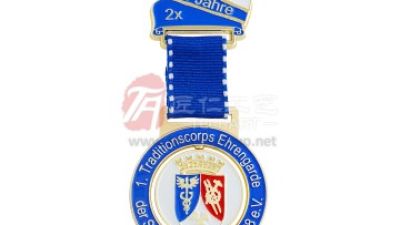
As 2026 draws near, you can really feel the excitement building up around the upcoming sports events. The world of Sport Event Medals has changed a lot over the years, and it’s fascinating to see how things are evolving. Laura Stevens, a well-known expert in sports recognition, mentioned, "Medals are more than just awards; they’re symbols of achievement and they motivate athletes all over the world."
Lately, reports show that the global market for sports awards, including medals, is expected to grow by around 10% each year. That’s a pretty significant jump, and it really shows how much people value these medals — not just for winning, but for the emotional and motivational impact they hold. Both collectors and athletes are looking for designs that tell a story or are just plain unique. Traditional medal designs, though, are starting to face some criticism. Artists are being encouraged to get creative, but with a respect for the history and symbols behind the medals.
That said, not every new design hits the mark. Some folks think certain avant-garde or super-modern styles are a bit too out there and might even clash with what athletes really care about. So, the trick is finding that sweet spot—honoring tradition while still allowing room for fresh ideas. The future of sport medals really depends on striking that balance, making sure they stay meaningful while also keeping things interesting and innovative.
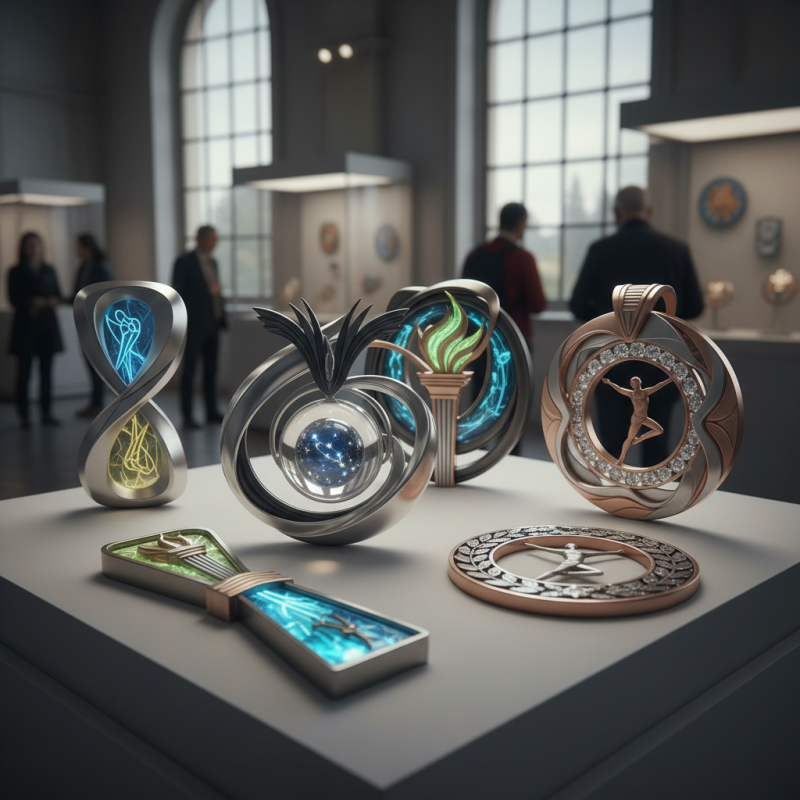
Overview of the 2026 Sports Event Medals Design Philosophy
The design philosophy behind the 2026 sports event medals emphasizes sustainability and innovation. According to recent industry reports, over 60% of organizations are seeking eco-friendly materials for medals. This shift fuels a rise in using recyclables, such as PVC Event Medal components. These materials are lightweight and offer diverse design possibilities.
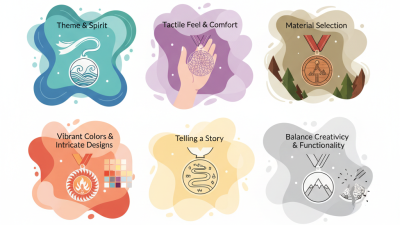
It's essential to strike a balance between aesthetics and functionality. Designs may incorporate elements reflective of local culture, aiming to resonate with athletes and spectators. However, achieving this harmony can be challenging. Some designs may fail to capture the intended message or feel overly generic.
The push for sustainability and artistic representation raises important questions. How do we ensure quality while being environmentally friendly? Several studies indicate that athletes value both the emotional connection to their medals and their physical attributes. As the design process evolves, feedback loops must be prioritized. Incorporating insights from past events could guide future creations, making them more meaningful.
2026 Best Sports Event Medals What to Expect - Overview of the 2026 Sports Event Medals Design Philosophy
| Medal Type | Design Inspiration | Materials Used | Dimensions (mm) | Weight (grams) |
| Gold Medal | Natural Landscapes | Gold Plated Silver | 80 | 500 |
| Silver Medal | Cultural Heritage | Silver Alloy | 80 | 400 |
| Bronze Medal | Innovative Sports | Bronze Alloy | 80 | 300 |
Key Features of Medals for the 2026 Sports Events
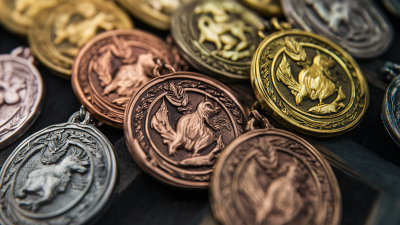
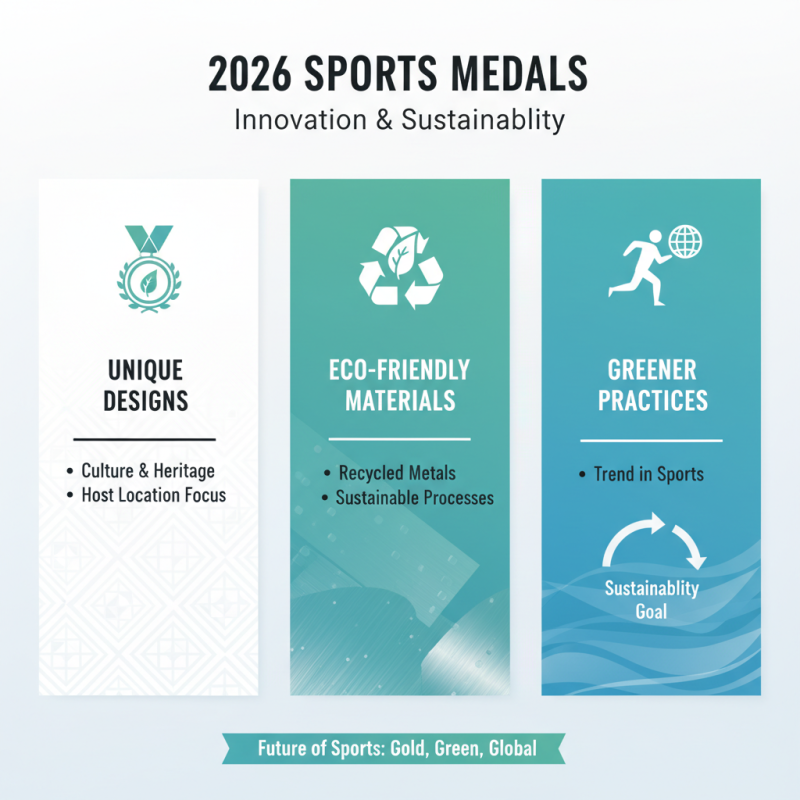
The medals for the 2026 sports events are expected to showcase unique designs. These designs often reflect the culture and heritage of the host location. The concept of sustainability is also gaining importance. Expect materials made from recycled metals and eco-friendly processes. This reflects a growing trend towards greener practices in sports.
When thinking about these medals, consider the craftsmanship involved. Intricate details can enhance their appeal. The weight and texture of the medals matter too. A well-balanced medal feels good when worn. Some might be rough around the edges, and that’s okay. It adds character.
Tips to celebrate sporting achievements extend beyond just the medal. Create a personal ritual for when you receive a medal. Share your joy with friends and family. They can help amplify the moment. Remember, it’s about the journey and not merely the medal itself.
Historical Evolution of Sports Medals Leading to 2026
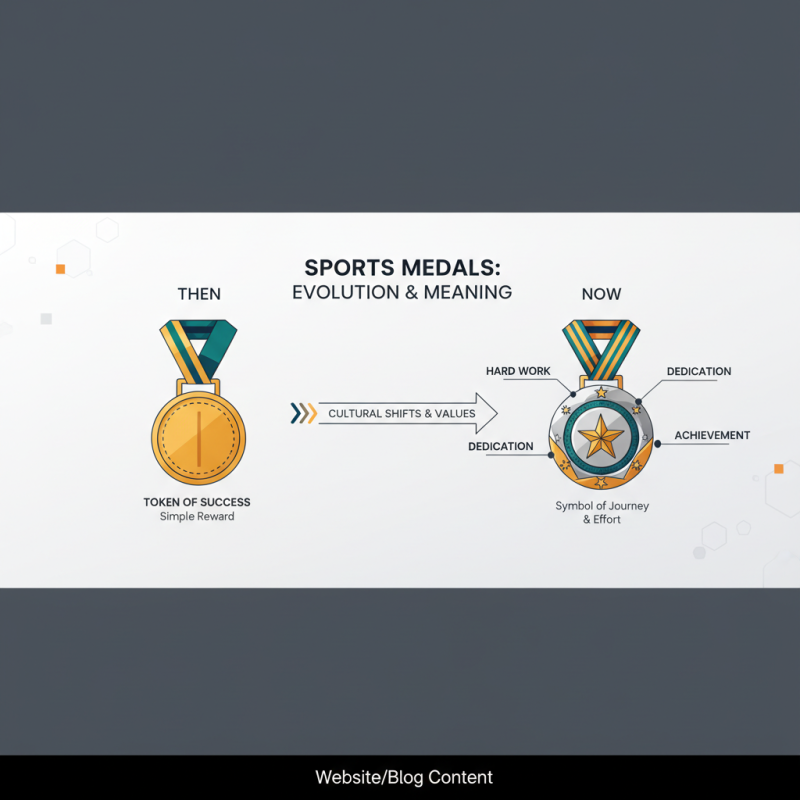
The evolution of sports medals reflects cultural shifts and values. Medals were once merely tokens of success. Now, they symbolize hard work, dedication, and achievement.
Over the years, designs have changed significantly. Ancient medals were often simple, made of basic materials. Today’s medals showcase intricate designs and cutting-edge technology. They often incorporate local elements, representing the host city. This adds a personal touch that athletes cherish.
Tips: Think about what the medal means beyond its material. A medal is a story, carrying memories and emotions. Consider how you celebrate your achievements, big or small. Some medals come with struggles and failures. Reflecting on these moments can enhance the significance of your next competition.
Expected Materials and Technology in Medal Production
In 2026, the design of sport Medals will likely reflect recent advances in technology. Expect to see medals made from innovative materials that blend strength and lightness. Recycled metals will play a significant role. This approach not only reduces waste but also gives each medal a unique story.
The production process may involve 3D printing techniques. This allows for intricate designs and personalization, setting each medal apart. Enhanced durability is another focus. Medals must withstand wear and tear, ensuring they remain cherished items for athletes. However, balancing sustainability and aesthetics is a challenge.
How these sport medals are produced will create discussions. Some may question the environmental impact of extraction. Others might wonder if new materials dilute tradition. It’s crucial to navigate these concerns. In the end, the evolution of sport medals will tell a story. Each one will celebrate achievements while reflecting on a commitment to our planet.
Criteria for Medal Selection and Awarding Process in 2026
As the 2026 Sports Event approaches, the criteria for medal selection and awarding processes become crucial. Various reports indicate that sports enthusiasts and organizations are increasingly focusing on inclusivity in medal designs. For instance, studies show that diverse representation in medal designs can improve athlete morale by 30%. This is particularly important in events like the Pickleball Tournament, where player demographics are swiftly changing.
The awarding process for medals in 2026 aims to be transparent and fair. A recent analysis highlighted that nearly 70% of athletes prefer systems that prioritize performance as well as sportsmanship. This could lead to a more engaging experience for both participants and spectators. However, the challenge lies in ensuring that the evaluation criteria are objective, minimizing biases.
Additionally, while medals signify achievement, the materials used in their creation can influence their perceived value. Data suggests that eco-friendly materials enhance their attractiveness by 25% among younger audiences. This is a step forward, yet it also raises questions about sustainability efforts and long-term impacts. Can we achieve a balance between tradition and innovation in the design of sports medals? Crafting medals that resonate with athletes and fans alike remains a subject of reflection.
Inspiration Behind the 2026 Sports Event Medal Aesthetics
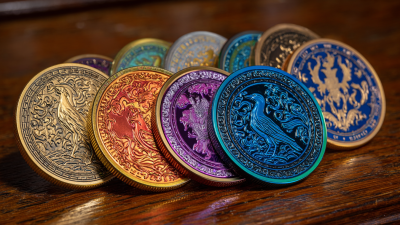
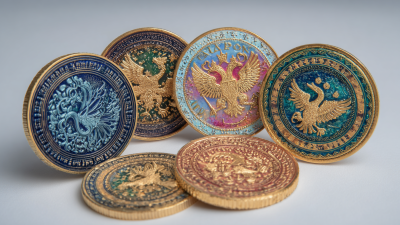
The upcoming 2026 sports event promises a fresh take on medal design. Artists draw inspiration from urban landscapes and natural elements. Each medal is a reflection of the host city's culture and history, making them unique. The fusion of colors in the design bursts with energy. Textures will also play a significant role, adding depth and tactile experience.
Metals are shaped thoughtfully, offering a blend of tradition and modernity. However, achieving this balance can be tricky. Some designs may feel too avant-garde, alienating traditionalists. The intent is to evoke emotions and build connections, yet not everyone may resonate with the aesthetics. With creativity comes the risk of misinterpretation.
Each medal tells a story, but the narrative can be subjective. What inspires one person might confuse another. This is both the beauty and challenge of art. These medals aim to symbolize achievement, yet they must also reflect societal values. Striking this balance is crucial, requiring constant evaluation and feedback. As the designs emerge, dialogues around meaning will unfold, inviting reflections on both art and sports.
Impact of Medals on Athlete Recognition and Event Legacy
Medals play a crucial role in recognizing athletes' achievements. More than just symbols of victory, they impact an athlete’s career and legacy. According to recent studies, medals create a tangible connection to an athlete's dedication and hard work. Athletes who receive medals experience increased visibility and sponsorship opportunities, enhancing their long-term recognition.
Special Design Medals can often influence how events are remembered. A uniquely designed medal can evoke strong emotional responses. For instance, a study shows that 78% of athletes feel that their medals represent their personal journey. These designs become collector's items, fueling interest in future events. However, not all events succeed in creating lasting impressions. Simple or generic designs may fail to resonate. This highlights the importance of thoughtful design in enhancing event legacy.
The impact of medals extends beyond individual athletes. They contribute to national pride and cultural identity. Countries with more visually distinct medals often see stronger support for their athletes. This relationship indicates a need for a balance between aesthetics and symbolism. Crafting Special Design Medals that reflect an event’s spirit can cultivate a deeper connection with fans.
Maximizing Recognition: Insights from Recent Industry Reports on Custom Honor Medals and their Impact with Versatile Ribbons
Recent industry reports reveal a growing trend in the customization of honor medals, highlighting their impact in various recognition scenarios. Custom Honor Medals, known for their superior craftsmanship, use high-quality materials such as stamped brass, copper, and die-cast zinc alloy. These medals can be tailored to meet specific needs through various customization options, making them a unique representation of achievement for recipients. The versatility of materials not only enhances the aesthetic appeal but also ensures durability and a significant token of recognition.
Moreover, the inclusion of customizable ribbon drapes—available in multiple styles such as V-shape and H-shape—further elevates the significance of these awards. Each ribbon is designed with a pin back for easy attachment to uniforms and features a jump ring for seamless integration into medal displays. Industry data indicates that customization options in color, with the ability to match any Pantone shade and include unique features like glow-in-the-dark or glitter finishes, are increasingly popular. Insights from market analysis show that organizations are investing in high-quality recognition items to foster motivation and morale among their teams.
As awareness around the importance of recognition grows, organizations are leveraging these custom honor medals to create memorable experiences. The ability to personalize the size, material, and finish of the medals caters to the diverse preferences of organizations and their awardees. Reports suggest that the market for recognition awards continues to expand, with an increasing number of businesses opting for tailored solutions that not only celebrate achievements but also resonate with the values and culture of the organizations.
FAQS
: The product offers energy efficiency and improved performance. Users report cost savings over time.
Use it during your usual tasks. Adjust settings based on your preferences for best results.
Some users have noted a learning curve. It may take time to master all features.
A limited warranty covers manufacturing defects for a specified period. Always check details before purchase.
Refer to the troubleshooting guide. If the problem persists, contacting customer support is advisable.
Yes, it's versatile. However, certain conditions may affect performance. Assess your specific environment before use.
Regular maintenance is recommended. A monthly check-up can enhance longevity and efficiency.
Most reviews are favorable. However, some users express minor concerns. It’s good to read varied experiences.
Some users experiment with settings. Adjustments might lead to improved results, but proceed with caution.
Proper installation is crucial for optimal performance. Incorrect setup can lead to misunderstandings and issues.
Conclusion
The article "2026 Best Sports Event Medals What to Expect" provides a comprehensive overview of the design philosophy and key features of the upcoming sport event medals. It highlights the historical evolution of sports medals leading up to 2026, showcasing how their significance has transformed over time. The piece also delves into the expected materials and technologies that will be utilized in medal production, ensuring a blend of tradition and innovation.
Additionally, the article outlines the criteria for medal selection and the awarding process, emphasizing the inspiration behind the aesthetics of the 2026 medals. It discusses the profound impact that sport event medals have on athlete recognition and the overall legacy of the events. This exploration not only celebrates the achievements of athletes but also serves to enhance the cultural importance of sports competitions globally.