Offset printing pins might not be the most glamorous part of the printing process, but let me tell you, they’re pretty darn important. They play a big role in making sure everything lines up just right — which directly impacts the print quality and how smoothly things run. You see, offset printing is actually one of the biggest methods out there, making up about 40% of the global printing market in 2022, according to the folks over at PRINTING United Alliance. The tech behind it involves getting the ink transferred perfectly from a plate to a rubber blanket, and then onto your paper or other material. And here’s where the offset printing pins come into play—they keep everything aligned and stable, ensuring the plates are in the right spot so the final print looks sharp and professional.
Lately, studies have shown that the condition and precision of these pins can really make or break your print quality. For example, research from Keypoint Intelligence points out that if the pins are worn out or aren’t properly calibrated, you might end up with misalignment issues—things like color mismatches or blurry registration. Not exactly the look you want on a finished product, right? Plus, good quality, reliable pins don’t just improve output; they also last longer and help cut down on downtime and maintenance costs. That’s huge because in the competitive world of printing, keeping things running smoothly and efficiently is everything. So, understanding these tiny but mighty pins is pretty crucial if you want to up your game in both print quality and operational efficiency.
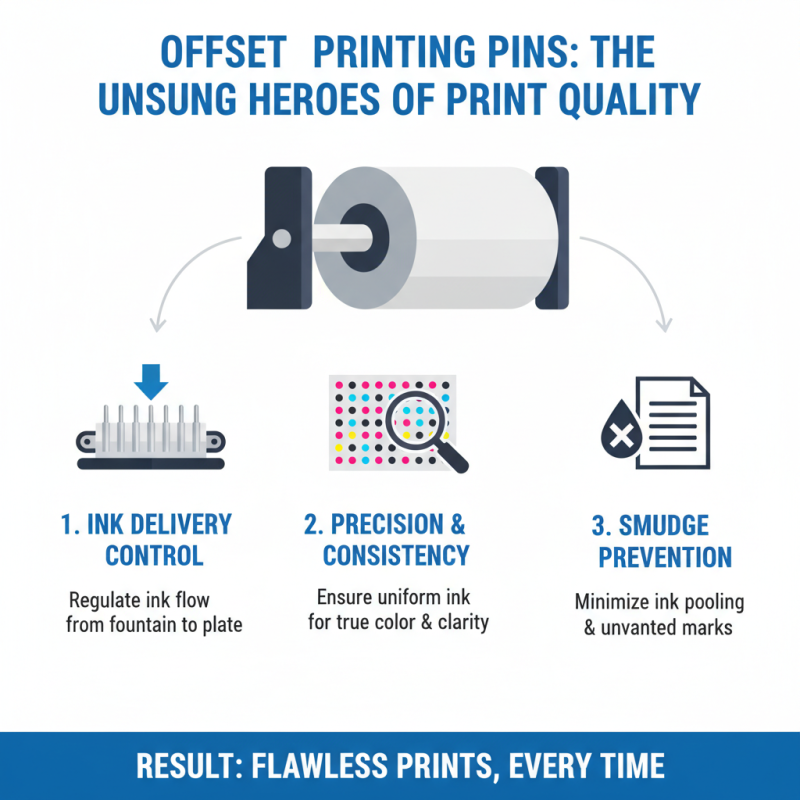
Offset printing pins are crucial components in the offset printing process, playing a significant role in maintaining print quality. These pins are typically utilized in the ink delivery system to control the flow of ink onto the plate. By ensuring precise ink distribution, offset printing pins help in achieving consistent color and image fidelity on the printed material. Moreover, they assist in minimizing ink smudging and pooling, which can adversely affect the final output.
In addition to their role in ink delivery, offset printing pins also contribute to the overall alignment of the printing plates. Proper positioning is essential to ensure that images and text are printed accurately. If the pins are misaligned or not functioning as intended, they can lead to registration issues, resulting in blurry or uneven prints. Therefore, understanding the functionality of offset printing pins is vital for printers aiming to achieve high-quality results, underlining their importance in both the technical and aesthetic aspects of the printing process.
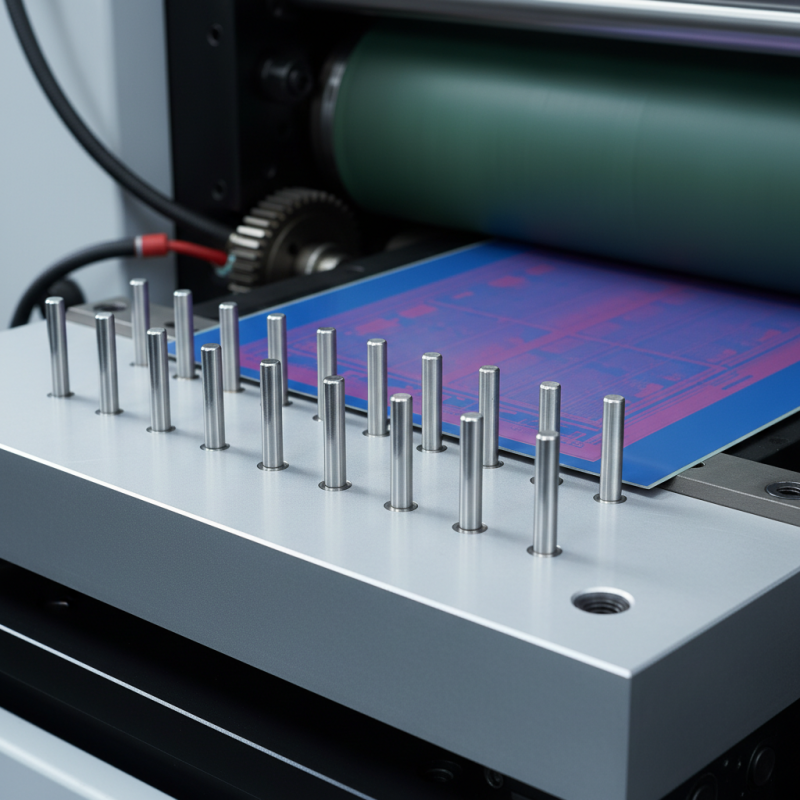
Offset printing pins play a crucial role in the offset printing process, acting as an essential component that ensures the correct alignment and stabilization of printing plates. These pins serve as guides, allowing the plates to be precisely positioned on the printing cylinder. The accuracy with which these pins align the plates significantly affects the overall print quality. When plates are not aligned correctly, the final print can suffer from issues such as blurriness or misregistration, which results in an unprofessional appearance.
In addition to alignment, offset printing pins also contribute to the consistency and reliability of the printing process. By holding the plates securely in place, they ensure that each impression maintains uniform pressure and contact with the substrate. This stability is vital for achieving high-quality prints, as any movement or slippage during the printing process may lead to variations in ink transfer and coverage. Therefore, the design and maintenance of offset printing pins are critical for print operators committed to delivering superior print quality consistently.
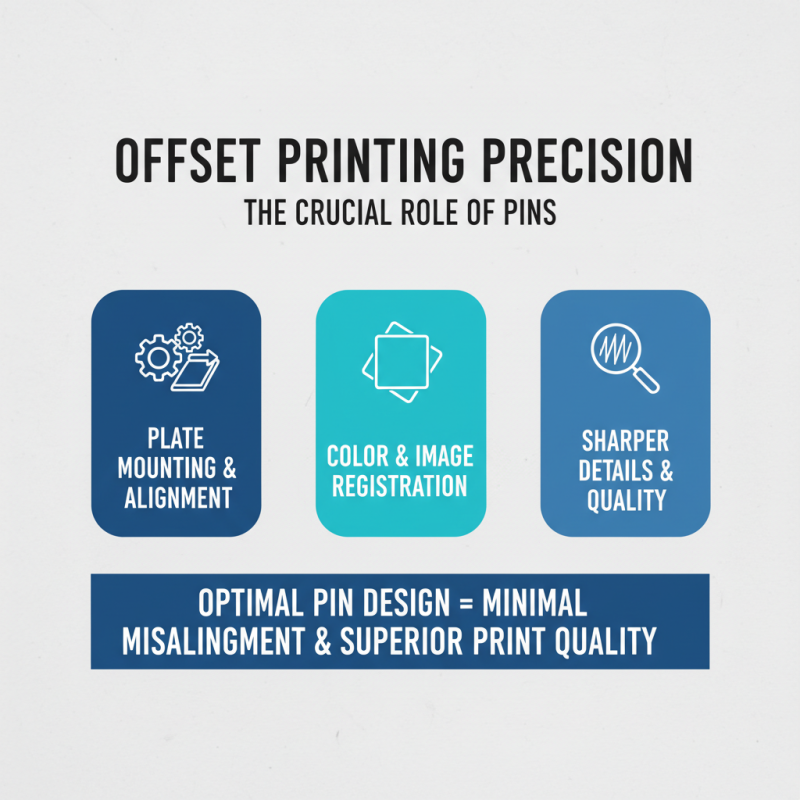
In offset printing, pins play a crucial role in ensuring the precision and quality of the printed output. The design of these pins affects how the printing plates are mounted and aligned, which directly influences the registration of colors and images on the substrate. An optimal pin design can minimize misalignment, reducing the risk of color shifts and enhancing the sharpness of details in the final print. For instance, pins that offer precise, tactile feedback during setup can allow operators to achieve a tighter registration, critical for high-quality multicolor prints.
Moreover, the material and shape of the pins can impact the durability and longevity of the printing equipment. Pins that wear down quickly may lead to print inconsistencies over time, necessitating more frequent maintenance and replacements. On the other hand, well-engineered pins made from robust materials can withstand the rigors of the printing process, maintaining their integrity and alignment capabilities. As a result, the selection of pin design not only influences immediate print quality but also contributes to the overall efficiency and sustainability of the offset printing operation.
Offset printing pins play a critical role in maintaining print quality, primarily influencing several key performance metrics in the industry. These pins, which ensure precise alignment of printing plates against the substrate, are essential for achieving high-resolution images and consistent color reproduction. The effectiveness of offset printing pins can be measured through metrics such as registration accuracy, ink transfer efficiency, and wear resistance. A tight registration minimizes color misalignment, which is crucial for producing sharp and vibrant prints.
Additionally, the durability of offset printing pins impacts overall production efficiency. High-quality pins reduce the frequency of maintenance and replacement, allowing for longer production runs without interruption. Metrics such as pin lifespan and maintenance downtime are vital indicators of performance. When offset printing pins are designed to withstand the rigors of continuous printing, they contribute to a more reliable workflow and superior print quality. Overall, understanding and optimizing these key performance metrics can significantly enhance the efficiency and output of offset printing operations.
In the world of offset printing, the choice of printing pins plays a crucial role in determining the overall print quality. Commonly used materials for these pins include various metals and plastics, each offering unique advantages that impact the printing process. For instance, steel pins are favored for their durability and ability to maintain precise alignment during high-speed printing runs. According to the Printing Industries of America, using steel pins can enhance the overall efficiency of the press by minimizing downtime due to pin wear or breakage.
On the other hand, plastic pins, typically made from high-density polyethylene (HDPE) or polyphenylene sulfide (PPS), are increasingly gaining popularity due to their lightweight nature and resistance to various chemicals. A recent report from Smithers Pira highlights that the use of plastic pins can reduce friction on press components, which not only prolongs the life of the equipment but also contributes to cleaner prints. The choice of material thus not only affects the longevity of printing pins but also their capacity to deliver high-fidelity results, emphasizing the importance of selecting the right pin material in offset printing operations.
Proper maintenance practices are essential for ensuring the efficiency of offset printing pins, which play a crucial role in achieving high-quality print results. Regular inspection and cleaning are fundamental parts of this maintenance. Accumulation of ink and debris can lead to uneven wear on the pins, affecting their performance. Implementing a routine cleaning schedule helps to remove residue and prevents the buildup that can compromise print quality. Additionally, using appropriate cleaning solutions and tools designed for this purpose will help maintain the integrity of the pins without causing damage.
Another critical aspect of maintaining offset printing pins involves monitoring the pin alignment and wear levels. Misalignment can result in inconsistent ink distribution, leading to poor print quality and increased waste. It is advisable to periodically check the alignment and perform adjustments as needed. Furthermore, replacing worn pins promptly can significantly enhance the overall efficiency of the printing process. By investing time and resources into these maintenance practices, printers can ensure that their offset printing pins operate at optimal levels, ultimately contributing to superior print outcomes.
Offset printing is widely regarded as one of the most effective printing techniques due to its ability to produce high-quality images and text. A comparative analysis between offset printing and other methods, such as digital printing or flexography, reveals significant advantages that offset printing holds, particularly in large-volume runs. According to a report by Smithers Pira, offset printing contributes to approximately 40% of the global print market share, highlighting its dominance and preference in various industries. This technique uses a transferring process where inked images are transferred from a plate to a blanket and then to the printing surface, allowing for crisp and vibrant results that other techniques often struggle to match.
Tips: When choosing a printing method, consider the quantity of prints needed. Offset printing is often more cost-effective for large volumes due to lower per-unit costs compared to digital printing, which can become expensive as quantities increase.
Another aspect of offset printing's advantage lies in color consistency and quality control. Studies indicate that offset printing can achieve a color consistency rate of over 90%, which is notably higher than many other techniques, making it ideal for projects requiring precise color matching, such as branding materials. While digital printing has advanced and is suitable for shorter runs due to its flexibility, it typically does not match offset’s quality when it comes to large jobs.
Tips: For businesses looking to maintain brand identity through consistent colors, employing offset printing for marketing materials can be a strategic choice. Always request color proofs to ensure the final output meets expectations before full production.
The rise in customizable accessories, particularly PVC lapel pins, has transformed the way individuals express their personal style and creativity. According to recent market analysis, the global lapel pin market is projected to experience a compound annual growth rate of over 6% in the next few years. This growth is largely driven by the increasing demand for unique, personalized items that allow wearers to showcase their interests, affiliations, and achievements. PVC pins, designed with intricate details and vibrant colors, are at the forefront of this trend, providing a safe, eco-friendly option that appeals to consumers who value sustainability alongside style.
Crafted from high-quality soft PVC, these pins not only ensure durability and brightness but also allow for myriad customization options. They can be designed in 2D or 3D variations, catering to individual preferences and making them suitable for various occasions, from casual wear to formal events. Different attachment methods give users flexibility, making it easy to pin them on clothes, bags, or even display them on board accessories. This versatility highlights a crucial trend in fashion: merging practicality with personal expression, allowing wearers to celebrate unique memories or pivotal moments through their choice of accessories.
In recent years, the popularity of lapel pins has surged within different demographics, especially among younger consumers who are increasingly drawn to personalized and impactful fashion statements. The PVC lapel pin market is not just a reflection of style; it embodies a shift towards more meaningful adornments that resonate with individual narratives. As consumers continue to seek out these distinctive accessories, the market for customizable PVC pins is poised for continued growth, providing endless opportunities for creative expression.
: Commonly used materials for printing pins include various metals and plastics, with steel and high-density polyethylene (HDPE) or polyphenylene sulfide (PPS) being the most popular choices.
Steel pins are favored for their durability and ability to maintain precise alignment during high-speed printing runs, which helps enhance overall printing efficiency.
Plastic pins, such as those made from HDPE or PPS, are lightweight and resistant to chemicals, leading to reduced friction on press components and contributing to longer equipment life and cleaner prints.
Offset printing is more cost-effective for large volume runs due to lower per-unit costs, while digital printing can become expensive as quantities increase.
Offset printing can achieve a color consistency rate of over 90%, making it ideal for projects that require precise color matching, such as branding materials.
Businesses should consider using offset printing for marketing materials when they need to maintain brand identity through consistent colors and require high-quality prints for larger volumes.
It is advisable to request color proofs to ensure that the final output meets expectations before proceeding with full production.
Offset printing is regarded as highly effective for its ability to produce high-quality images and text, particularly for large-volume runs, where other techniques may struggle.
Offset printing utilizes a transferring process where inked images are transferred from a plate to a blanket and then to the printing surface, resulting in crisp and vibrant prints.
Offset printing contributes to approximately 40% of the global print market share, demonstrating its dominance and widespread preference across various industries.
Offset printing pins are essential components in the offset printing process, serving both a functional and technical purpose. They ensure precision in the alignment of printed materials, directly impacting the overall print quality. The design of these pins plays a significant role in producing sharp images and consistent results, highlighting the importance of selecting the right materials and designs for various printing applications.
Understanding the performance of offset printing pins is crucial for industry professionals, as key metrics and maintenance practices can lead to enhanced efficiency and longer lifespan of the printing equipment. By comparing offset printing with other techniques, one can appreciate the unique advantages that offset printing pins provide in achieving high-quality outputs in the competitive printing landscape.