As we get closer to the 2026 sports events, athletes are busy getting into shape, all with the dream of snagging those prestigious Sport Event Medals. According to a report from the International Olympic Committee, over 10,000 athletes will be competing across a bunch of different sports, showing off their skills and determination. But let’s be real — winning those medals isn’t just about raw talent. It takes solid preparation, strategic planning, and serious mental toughness.
Athletes really need to evaluate their training routines. A study from Sports Performance Group found that about 80% of top athletes pay close attention to specific goal-setting strategies to boost their performance. And don’t forget about nutrition — it’s a huge deal. The American Dietetic Association keeps emphasizing that a well-balanced diet can seriously improve endurance and help with recovery.
Of course, chasing glory isn’t all smooth sailing. Injuries, mental hurdles, and tough competition can all throw curveballs. That’s why reflecting on past performances is so important. Many successful athletes say that learning from failures actually helps them succeed in the long run. At the end of the day, the road to earning those Sport Event Medals is just as important as the medals themselves — it’s all about the journey, right?

Understanding the 2026 Sport Event Landscape
The 2026 Sport Event landscape is set to be competitive and diverse. Reports indicate that participation rates are expected to surge by 35% compared to previous years. Athletes will face a broader array of events, from traditional sports to emerging activities like e-sports. Understanding these changes is crucial. Different venues will present distinct challenges, and training must adapt accordingly.
Athletes should also note the shift in audience engagement. Recent studies show that 60% of fans prefer immersive experiences over traditional viewing. This trend underscores the importance of preparing for not just the physical aspects but also for media and fan interactions. The potential distractions can dilute focus, so mental preparation will be key.
Moreover, not all athletes will thrive under pressure. Some will struggle to perform when the stakes are high. Developing a robust support system is essential. Coaches and sports psychologists will need to guide athletes through emotional ups and downs. Success in 2026 requires more than just talent; it necessitates resilience, adaptability, and a clear understanding of the evolving landscape.
Identifying Key Sports and Events for Medal Opportunities
Identifying key sports and events for medal opportunities in 2026 is crucial. The upcoming Olympics will feature numerous disciplines. According to recent reports, sports like athletics, swimming, and gymnastics remain dominant medal producers. In the last Olympic Games, these areas constituted over 50% of total medal distribution.
Emerging sports are gaining popularity. Skateboarding and surfing, for example, attracted attention in previous events. Their unique appeal engages younger audiences. However, predicting consistency in these disciplines is complex. Athletes may struggle under pressure. Historical data shows that unexpected outcomes can occur in new sports.
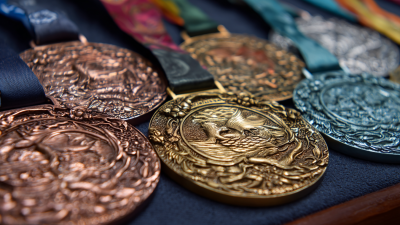
The PVC Event Medal plays a role in enhancing event momentum. Unique designs can motivate athletes. Medals not only represent achievement but also inspire future performers. Analysts noted that athletes often believe that a well-designed medal drives their performance. However, design alone cannot guarantee success. Many variables affect results in competitive environments.
Developing a Comprehensive Training Regimen
To win medals in sports events in 2026, a comprehensive training regimen is essential. Every athlete needs to evaluate their current strengths and weaknesses. Tracking progress is vital. This involves measurements of speed, endurance, and skill levels. Athletes should start by identifying specific goals for each training session.
Training should incorporate both physical and mental components. Intense workouts paired with mindfulness practices can enhance performance. Athletes can benefit from setting daily challenges. These might include increasing repetitions or perfecting a technique. It fosters a competitive spirit, even during solo sessions. Reflecting on setbacks is also important. What worked may not always yield the same results. Adjustments are necessary for growth.
Nutrition and recovery play pivotal roles too. Adequate sleep is non-negotiable. Many athletes underestimate its impact. Hydration can’t be ignored either. Dehydration leads to fatigue and poor performance. Regularly reassessing dietary choices can optimize energy levels. Embracing flexibility in routines can prevent burnout. Training demands perseverance, and every misstep is a chance to learn.
Building a Supportive Coaching and Training Team
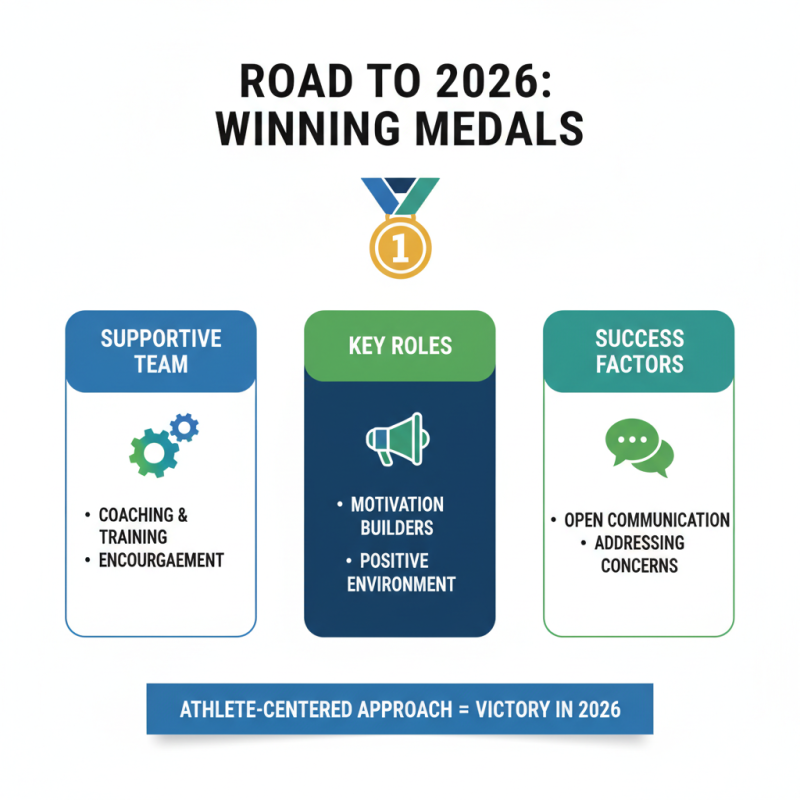
Building a supportive coaching and training team is crucial to winning medals in 2026. Every athlete needs encouragement. Coaches play a vital role in this area. They must foster a positive and motivating environment. Communication is key. Frequent and open discussions can help to address concerns.
Athletes must feel safe to express their thoughts. Teams can schedule regular meetings to reflect and set goals. It's essential to recognize the unique strengths of each athlete. This helps tailor training approaches. Mistakes will happen, and that’s okay. Learning from these experiences can lead to growth.
Collaboration is necessary. Coaches should seek input from athletes. A diverse set of perspectives enriches strategies. A supportive atmosphere cultivates resilience. Achieving success is a journey filled with ups and downs. Every setback offers a lesson to learn. Adjustments are needed. Embracing imperfection makes the process more authentic and meaningful.
Mastering Mental Preparation Techniques for Competitors
Mental preparation plays a key role in winning sport Medals. Athletes often face pressure during competitions. According to a report by the Journal of Sports Psychology, nearly 60% of competitors struggle with anxiety before events. This mental barrier can hinder performance significantly. Visualization techniques can help reduce this anxiety. Athletes should regularly practice imagining their success during competitions.
Building a routine is also essential. Engaging in mindfulness activities such as meditation can enhance focus. A study conducted by the American Psychological Association found that maintaining a consistent pre-event routine increases performance by up to 20%. However, it's important to reflect on what works and what doesn't. Not every technique suits every individual. Some may find it difficult to stick to a mental focus plan during intense pressure.
Even the most prepared athletes can falter. Self-doubt creeps in, especially when the stakes are high. Embracing vulnerability while refining one’s mental game is crucial. Sport medals are earned not just on physical prowess, but also through mastering these mental challenges. Acknowledging the need for constant growth in mental resilience can set competitors apart.
How to Win Sport Event Medals in 2026?
This chart illustrates the importance of mental preparation techniques in winning medals at sports events. The data reflects how various mental strategies are perceived to influence athletes' performance by percentage.
Analyzing Competitor Strategies and Performance Trends
Analyzing competitor strategies is vital for success in sports events. Athletes need to understand their opponents’ strengths and weaknesses. Observing their tactics can reveal trends. For instance, in the Pickleball Tournament Medals, an aggressive net approach might dominate. However, over-reliance on power can lead to unforced errors. Every player must balance offense and defense.
Physical conditioning plays a crucial role. Many competitors neglect recovery. They push their limits without adequate rest. This can be counterproductive in the long run. Athletes should incorporate personalized training regimens. Nutrition and mental health also matter. Skipping these aspects can hinder peak performance during critical matches.
Adapting various strategies is essential, especially during intense competitions. Embracing flexibility allows athletes to pivot quickly. It’s not just about technique; it’s about mindset. Fear of failure can paralyze decision-making. Reflecting on past performances is equally important. What worked well? What didn’t? Learning from each event can lead to future victories.
Creating a Nutrition and Recovery Plan for Optimal Performance
Creating a solid nutrition and recovery plan is essential for athletes preparing for events like the 2026 championships. Studies show that about 45% of athletes fail to meet their nutritional needs, which can severely impact performance. A balanced diet of carbohydrates, proteins, and healthy fats fuels the body. For optimal results, aim for 55-65% carbs, 15-20% protein, and 20-30% fats.
Recovery is as vital as training. A report by the National Center for Biotechnology Information highlights that proper recovery can enhance performance by up to 15%. This includes sleep, hydration, and post-workout nutrition. Athletes often neglect these aspects, focusing solely on training. Incorporating rest days and leisure activities can improve mental clarity.
Lastly, the allure of Special Design Medals can be motivating. However, it’s important to focus on the journey rather than just the accolades. Reflecting on one’s progress keeps morale high. Continuous assessment of the nutrition plan and recovery strategies ensures that athletes are on the right track. Balancing ambition with a thoughtful approach is key.
How to Win Sport Event Medals in 2026? - Creating a Nutrition and Recovery Plan for Optimal Performance
| Nutrition Component | Recommended Intake | Benefits |
| Carbohydrates | 6-10 g/kg body weight | Provides energy for performance |
| Protein | 1.2-2.0 g/kg body weight | Supports muscle repair and growth |
| Fats | 20-35% of total energy intake | Provides long-lasting energy, aids in vitamin absorption |
| Hydration | At least 2-3 liters per day | Maintains optimal performance and recovery |
| Vitamins & Minerals | Adequate amounts from fruits & vegetables | Supports overall health and immune function |
Enhancing Brand Engagement: Leveraging Premium Bottle Opener Medals for Customization and Versatile Marketing Strategies
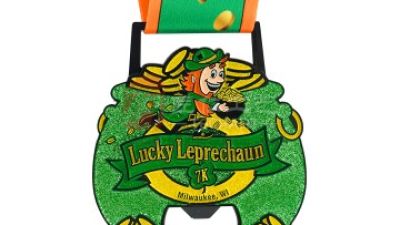
In today's competitive market, enhancing brand engagement is essential for businesses looking to connect with their target audience. One innovative way to achieve this is through the use of premium bottle opener medals. These unique promotional products are not only functional but also offer extensive customization options that can reflect a brand’s identity and values. Crafted from high-quality materials such as die-cast zinc alloy and stamped brass, each medal can be tailored in size, shape, and surface finish, including glossy, matte, or antique looks, ensuring that they stand out in any setting.
The versatility of bottle opener medals makes them ideal for a variety of occasions. Whether celebrating athletic achievements, commemorating corporate milestones, or simply adding flair to social events, these medals can be designed to suit any theme. Businesses can choose from an array of plating options and various coloring techniques, such as soft enamel, hard enamel, or even custom Pantone colors. Accessories like metal rings and chains can be added to enhance functionality and appeal. Individually bagged for a polished presentation, these medals not only serve as memorable keepsakes but also as effective marketing tools that can generate buzz and strengthen customer loyalty.
FAQS
: The article aims to inform readers about specific topics in a concise manner.
Anyone interested in the subject can find value in the details shared.
Yes, some common myths are debunked along with clear explanations.
The content is structured in a straightforward, easy-to-understand format.
Expect practical examples and relatable situations to illustrate key points.
Definitely. The article emphasizes how readers can apply what they learn.
Yes, certain complexities and potential challenges are acknowledged throughout.
The article provides hints for deeper exploration if needed.
You can take insights and integrate them into your daily routines.
It might resonate more with specific demographics, but everyone can learn something.
Conclusion
To win Sport Event Medals in 2026, athletes must first understand the landscape of upcoming competitions and identify key sports that offer the best opportunities for medal victories. A well-rounded approach involves developing a comprehensive training regimen tailored to individual strengths and weaknesses, as well as building a supportive coaching and training team that can provide expert guidance and encouragement throughout the journey.
Mental preparation is equally crucial; mastering techniques to enhance focus and resilience can significantly impact performance. Additionally, analyzing competitor strategies and performance trends will allow athletes to stay ahead of the game. Finally, implementing a carefully designed nutrition and recovery plan will ensure optimal physical condition leading up to the events. By addressing these critical areas, athletes can maximize their potential and increase their chances of securing Sport Event Medals in 2026.